Top 5 Best Hubs for Smart Home Integration with AI Robot Vacuums
Understanding Smart Home Hubs and Their Importance
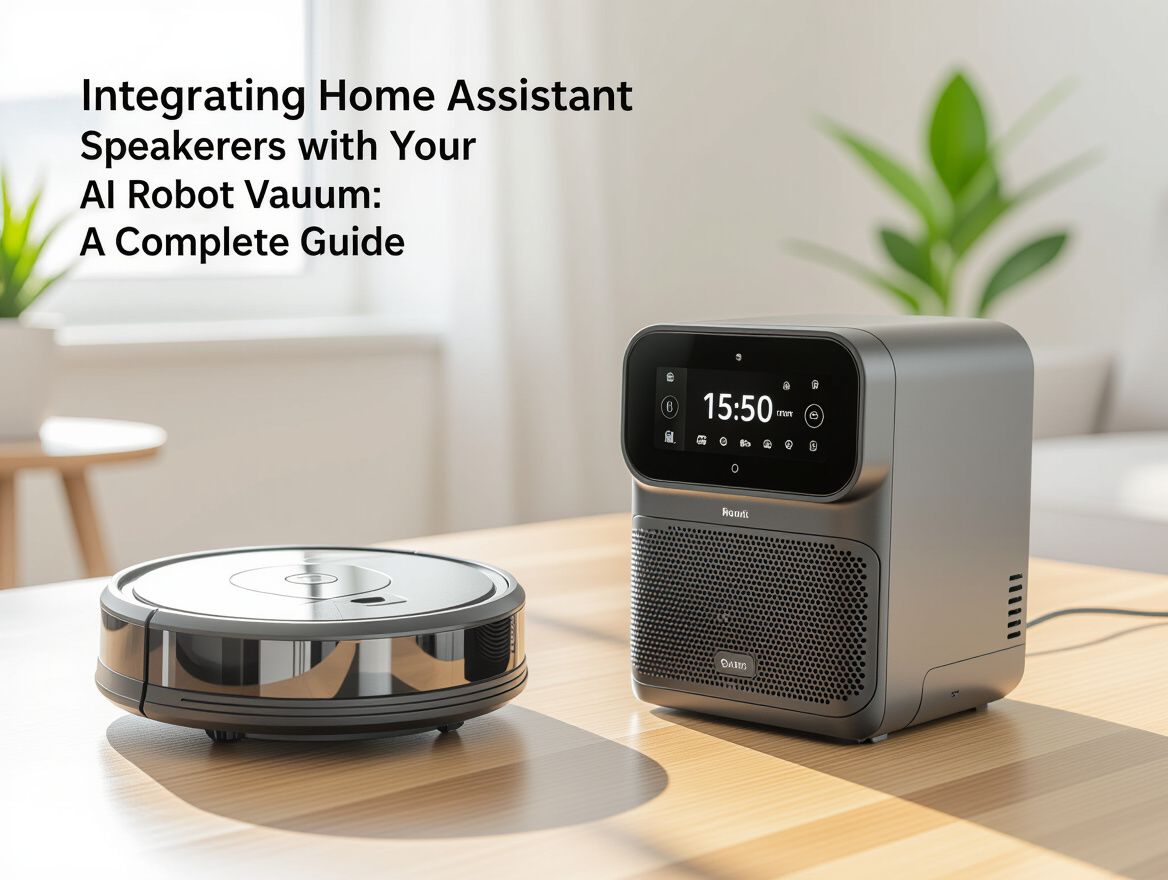
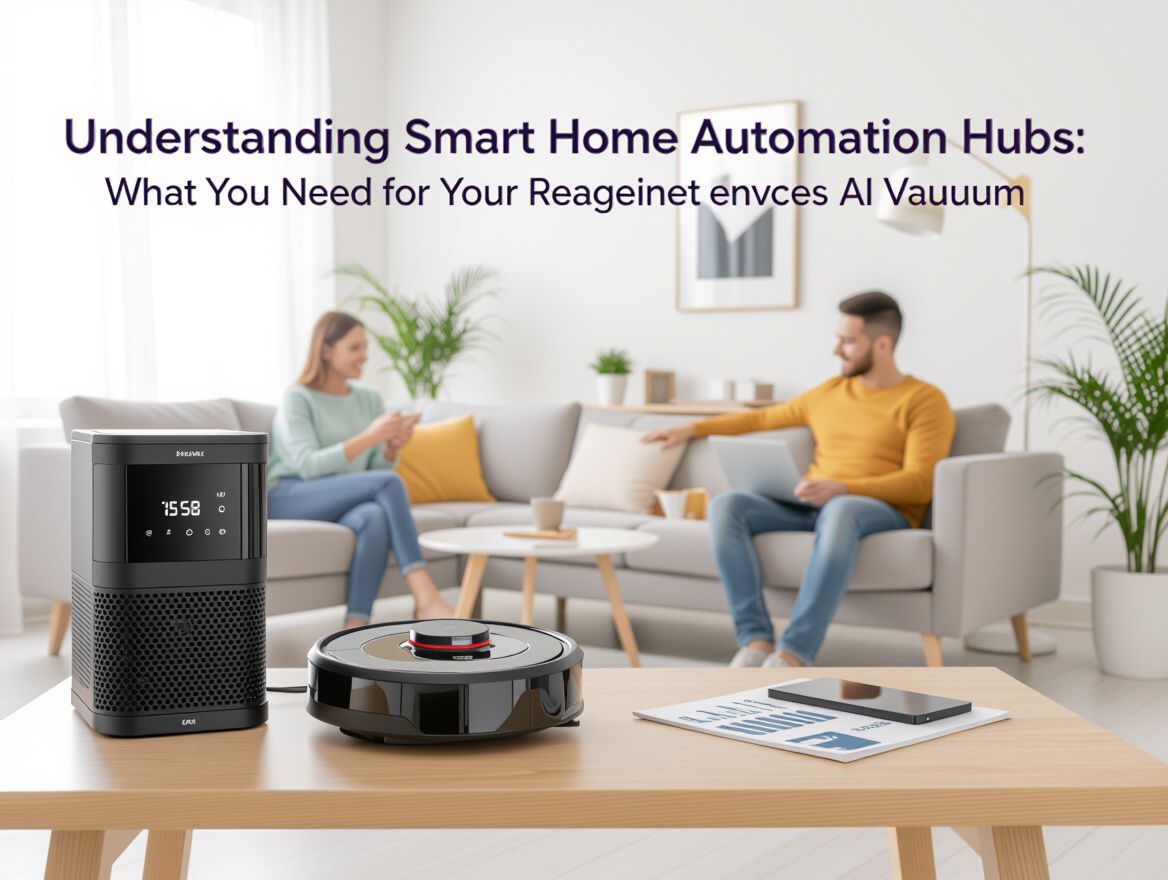
Smart home hubs serve as the central nervous system of your home automation setup, allowing various smart devices to communicate seamlessly. By acting as a bridge between different protocols and devices, they enhance the overall functionality of your smart home, particularly when integrating AI robot vacuums.
The importance of smart home hubs lies in their ability to unify diverse devices under a single control platform. This integration not only simplifies user interaction but also enables more complex automation scenarios. For instance, when paired with an AI robot vacuum, a smart home hub can facilitate scheduled cleaning sessions triggered by other smart devices, such as motion sensors or smart speakers.
Key Benefits of Smart Home Hubs:
- Protocol Compatibility: Many hubs support multiple communication standards (e.g., Zigbee, Z-Wave, Wi-Fi), allowing for a broader range of device compatibility.
- Enhanced Automation: They enable advanced automation rules, such as initiating a cleaning cycle when you leave home or pausing it when you return.
- Centralized Control: Users can manage all connected devices from a single app, streamlining the user experience.
In summary, selecting the right smart home hub is crucial for maximizing the potential of your AI robot vacuum and creating a cohesive smart home ecosystem.
Key Features to Look for in a Smart Home Hub
When selecting a smart home hub to enhance the functionality of your AI robot vacuum, several critical features should guide your decision. These features not only determine compatibility but also influence how well your devices communicate and function together.
-
Protocol Support: Look for hubs that support multiple protocols like Zigbee, Z-Wave, Wi-Fi, and Thread. This ensures seamless integration with various smart devices, including your AI robot vacuum. The more protocols supported, the greater the range of devices you can connect.
-
Device Compatibility: Ensure the hub is compatible with your existing smart home devices. Some hubs are specifically designed to work within certain ecosystems (e.g., Samsung SmartThings for Samsung devices), while others offer broader compatibility across brands.
-
Ease of Use and Setup: A user-friendly interface and straightforward setup process are essential, especially for those new to home automation. Look for hubs that provide clear instructions and intuitive apps for managing your devices.
-
Integration Capabilities: Check how well the hub integrates with AI robot vacuums. Features like scheduling, remote control, and automation routines can significantly enhance your vacuum's functionality. Hubs that allow voice control or integration with smart speakers can offer additional convenience.
By evaluating these features, you can make a more informed choice about which smart home hub will best complement your AI robot vacuum, ensuring a cohesive and efficient smart home ecosystem.
Comparing the Top Smart Home Hubs for AI Robot Vacuums
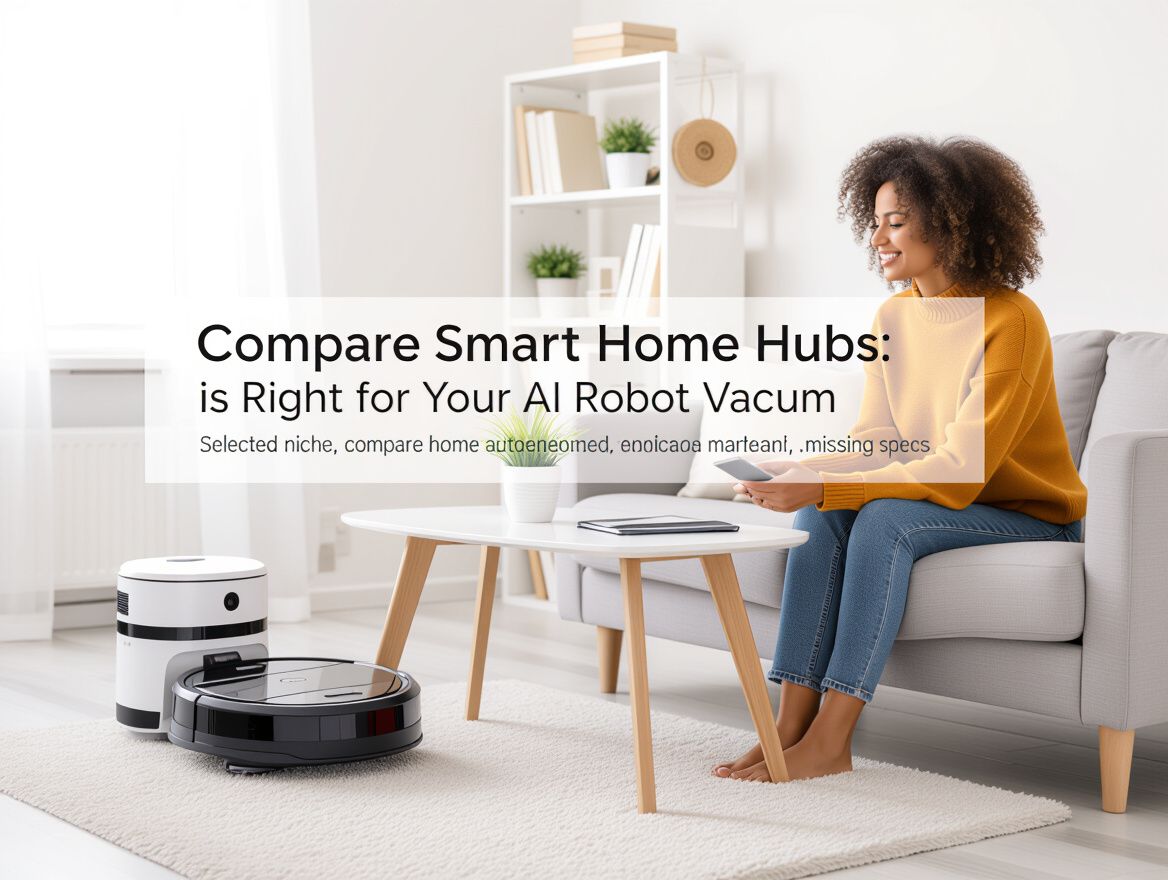
When integrating AI robot vacuums into your smart home ecosystem, the choice of hub can significantly enhance functionality. Here’s a detailed comparison of five leading smart home hubs, focusing on their features and integration capabilities that can optimize your robot vacuum experience.
Homey Pro 2026
- Compatibility: Supports a wide range of protocols, including Zigbee, Z-Wave, and Wi-Fi. This makes it versatile for various devices, including different brands of AI robot vacuums.
- Local Processing: Offers local processing power, which can enhance response times and reliability, particularly beneficial for large setups.
- Customization: Users can create complex automations, allowing for tailored interactions between the robot vacuum and other smart home devices.
Samsung SmartThings Hub
- Protocol Support: Excellent support for Zigbee, Z-Wave, and Thread, making it compatible with a vast array of devices, including many robot vacuums.
- IFTTT Integration: Allows for additional automation scenarios, such as scheduling cleaning sessions triggered by specific events (e.g., leaving home).
- Ecosystem Integration: Works seamlessly within the Samsung ecosystem, making it ideal if you already use Samsung devices.
Aeotec Smart Home Hub
- User-Friendly Interface: Known for its intuitive app, which simplifies the setup and management of connected devices, including robot vacuums.
- Protocol Flexibility: Supports multiple protocols, ensuring compatibility with various smart home devices.
- Future-proofing: Regular updates and support for new protocols can help extend the hub's lifespan and capabilities.
Google Nest Hub (2nd Gen)
- Display Features: The touchscreen interface allows for direct control and monitoring of your robot vacuum, making it easy to start or schedule cleaning sessions.
- Voice Assistant Integration: With Google Assistant, users can control their robot vacuum via voice commands, enhancing convenience.
- Smart Home Control: Integrates well with other Google devices, providing a cohesive smart home experience.
Amazon Echo Show 8
- Voice Control: Offers robust Alexa integration, allowing for hands-free control of your robot vacuum.
- Visual Feedback: The display provides useful information, such as cleaning status and schedules, directly on the device.
- Smart Home Hub Functionality: Acts as a central hub for various smart devices, including those outside of the robot vacuum category.
Considerations for Choosing a Smart Home Hub
When selecting a hub for your AI robot vacuum, consider the following criteria:
- Compatibility: Ensure the hub supports the protocols used by your robot vacuum.
- Ease of Use: A user-friendly interface can simplify setup and daily operations.
- Automation Capabilities: Look for features that allow for advanced automation, enhancing how your devices interact.
- Ecosystem Fit: If you already own devices from a specific brand, choosing a hub that integrates well with that ecosystem can streamline your smart home experience.
By weighing these features against your specific needs and existing devices, you can make a more informed decision that enhances the functionality of your AI robot vacuum within your smart home setup.
Checklist: Choosing the Right Hub for Your Needs
Selecting the best hub for your smart home integration, particularly for enhancing the functionality of AI robot vacuums, requires careful consideration. Use the following checklist to evaluate which hub fits your needs best:
-
Assess Your Current Smart Devices:
- Identify the brands and types of devices you already own (e.g., lights, thermostats, security cameras). Compatibility with existing devices is crucial for seamless integration.
-
Determine the Level of Automation Desired:
- Consider how much automation you want. Are you looking for basic control, or do you want advanced features like routines and scheduling? Some hubs offer more robust automation capabilities than others.
-
Consider Budget Constraints:
- Set a budget for your smart home hub. Hubs can vary significantly in price based on features and capabilities. Determine which features are essential and which can be sacrificed to stay within budget.
-
Evaluate Space and Setup Requirements:
- Assess where you plan to place the hub. Some hubs may require a central location to ensure optimal connectivity, while others can function well in more varied environments. Additionally, consider the setup process—some hubs are more user-friendly than others.
By using this checklist, you can make a more informed decision that aligns with your specific needs and the functionality you expect from your smart home ecosystem.
Risks and Trade-offs of Smart Home Hubs
When selecting a smart home hub to integrate with AI robot vacuums, it’s crucial to understand the potential risks and trade-offs that can affect your home automation experience.
-
Compatibility Issues: Not all smart home hubs support every type of device. If you already own certain smart devices, you should verify that the hub you choose is compatible with them. For instance, hubs that primarily support Zigbee or Z-Wave may not work seamlessly with Wi-Fi or Bluetooth devices.
-
Dependence on Internet Connectivity: Many smart home hubs require a stable internet connection to function correctly. If your internet service is unreliable or experiences frequent outages, it could disrupt the performance of your AI robot vacuum and other connected devices. Consider how often you face connectivity issues in your area before making a decision.
-
Potential for Obsolescence: The technology landscape is evolving rapidly, and smart home hubs can become outdated as new protocols and standards emerge. Investing in a hub that lacks support for newer technologies may limit your ability to integrate future devices, leading to a need for replacement sooner than anticipated.
By weighing these risks and trade-offs, you can make a more informed choice that aligns with your current smart home ecosystem and future automation plans.
Frequently Asked Questions About Smart Home Hubs
When considering the best hubs for smart home integration with AI robot vacuums, potential buyers often have specific questions that can influence their decision-making process. Here are some common inquiries:
What features should I prioritize?
- Protocol Support: Ensure the hub supports various communication protocols like Zigbee, Z-Wave, or Wi-Fi to maximize compatibility with your devices.
- Integration Capabilities: Look for hubs that offer seamless integration with your AI robot vacuum and other smart devices, enhancing automation and control.
- User Interface: A user-friendly interface can simplify setup and daily operation, making it easier to manage your smart home ecosystem.
- Expandability: Consider hubs that allow for future additions, accommodating new devices as your smart home grows.
Can I use multiple hubs in my home?
Yes, using multiple hubs can enhance your smart home setup. However, keep in mind:
- Compatibility: Ensure that the hubs can communicate effectively with each other and your devices to avoid connectivity issues.
- Network Management: Multiple hubs may complicate your network, so plan for potential overlaps or conflicts in device management.
- Automation Complexity: Using different hubs may require more intricate automation setups, which could lead to a steeper learning curve.
How do I ensure compatibility with my AI robot vacuum?
- Check Manufacturer Specifications: Review the compatibility lists provided by both the hub and the vacuum manufacturer to ensure they can work together.
- Community Feedback: Look for user reviews or forums discussing integration experiences, which can provide insights into potential issues or successful setups.
- Firmware Updates: Ensure that both your hub and vacuum are updated to the latest firmware versions to improve compatibility and functionality.
By addressing these questions, you can make a more informed decision on which smart home hub will best enhance your AI robot vacuum experience.
Final Thoughts on Choosing a Smart Home Hub
Selecting the right smart home hub is crucial for optimizing the performance of your AI robot vacuum. Compatibility with your specific vacuum model and other smart devices is paramount. Here are key considerations to guide your decision:
- Compatibility: Ensure the hub supports the communication protocols used by your AI robot vacuum, such as Zigbee, Z-Wave, or Wi-Fi.
- Integration Needs: Evaluate how well the hub integrates with other devices in your smart home ecosystem. Consider your existing setup and future expansion plans.
- User Interface: A user-friendly interface can simplify control and automation. Look for hubs that offer intuitive mobile or desktop apps.
- Local Processing: Hubs with local processing capabilities may offer faster response times and greater reliability, especially in scenarios with limited internet access.
By carefully assessing these factors, you can create a seamless and efficient smart home environment that enhances the functionality of your AI robot vacuum. A well-integrated system not only improves cleaning performance but also adds convenience and efficiency to your daily routines.