Compare Smart Home Hubs: Which One is Right for Your AI Robot Vacuum?
Understanding Smart Home Hubs and AI Robot Vacuums
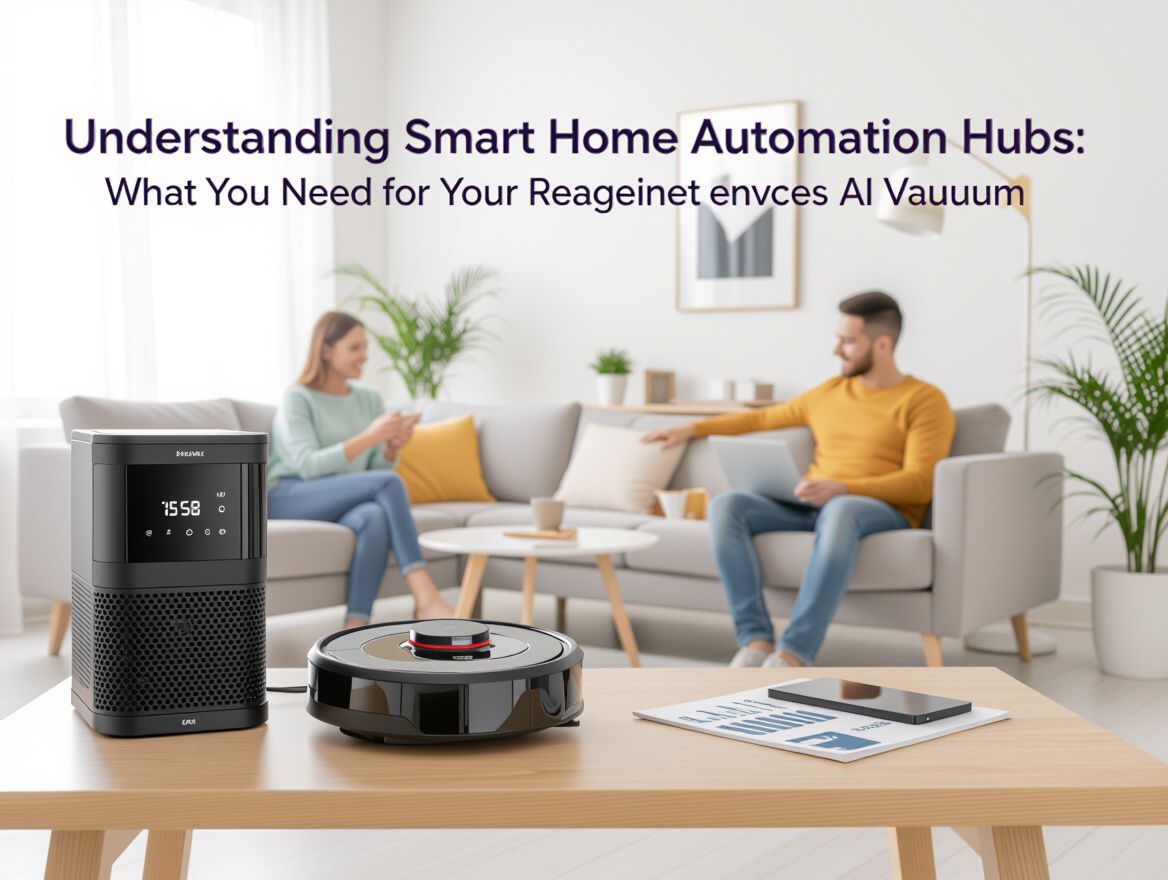
Smart home hubs serve as central controllers that connect and manage various smart devices within your home, including AI robot vacuums. They facilitate seamless communication between devices, allowing you to automate tasks and enhance your cleaning experience. Understanding how these hubs work and their compatibility with your robot vacuum is crucial for optimizing performance.
Importance of Compatibility
- Device Integration: Not all smart home hubs support every AI robot vacuum. Compatibility ensures that your vacuum can be controlled and monitored through the hub, allowing for features like scheduling and status updates.
- Protocol Support: Different hubs utilize various communication protocols (e.g., Wi-Fi, Zigbee, Z-Wave). Verify that your robot vacuum operates on the same protocol as your chosen hub to avoid connectivity issues.
- Firmware Updates: Regular updates from the hub can improve performance and add features to your vacuum. Choose a hub known for its reliability in providing updates to ensure your devices remain compatible over time.
By carefully evaluating these factors, you can select a smart home hub that enhances the functionality of your AI robot vacuum, leading to a more efficient and user-friendly cleaning experience.
Key Criteria for Choosing a Smart Home Hub
When comparing smart home hubs for compatibility and performance with AI robot vacuums, it's essential to evaluate several key factors. These criteria will help you ensure that your smart home hub meets your needs and integrates seamlessly with your vacuum.
-
Compatibility with AI Robot Vacuums: Check if the hub supports the specific brand and model of your robot vacuum. Look for hubs that explicitly mention compatibility with your vacuum's app or ecosystem.
-
Ease of Use and Setup: Opt for hubs that offer straightforward installation processes and user-friendly interfaces. Consider whether you prefer a hub that can be set up via a mobile app or if it requires physical connections.
-
Integration with Other Smart Home Devices: Assess the hub's ability to connect with other smart devices in your home, such as lights, thermostats, and security systems. A hub that supports multiple brands and protocols (like Zigbee, Z-Wave, or Wi-Fi) will provide more flexibility.
-
Support for Voice Assistants: Determine if the hub is compatible with voice assistants like Amazon Alexa, Google Assistant, or Apple HomeKit. This feature can enhance your control over the robot vacuum and other smart devices through voice commands.
By considering these criteria, you can make a more informed decision about which smart home hub will best enhance your AI robot vacuum experience.
Comparing Popular Smart Home Hubs
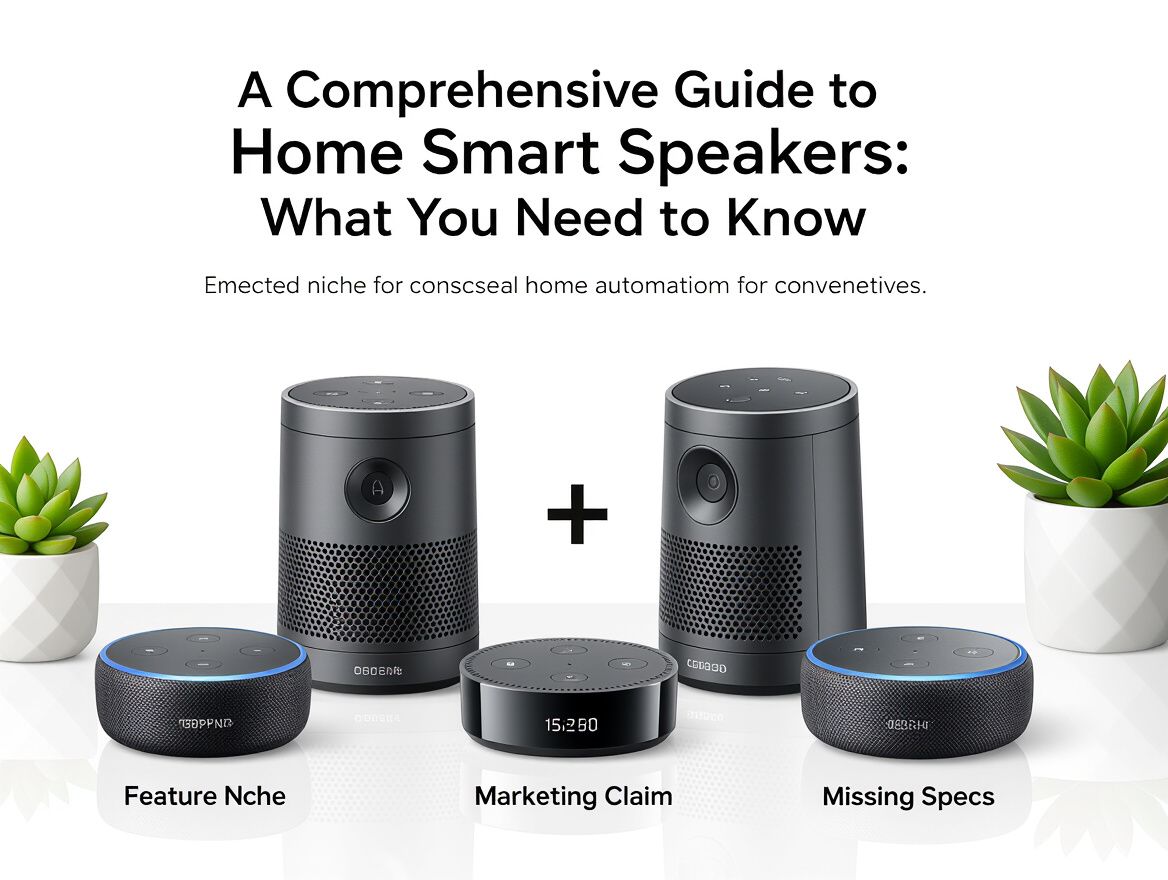
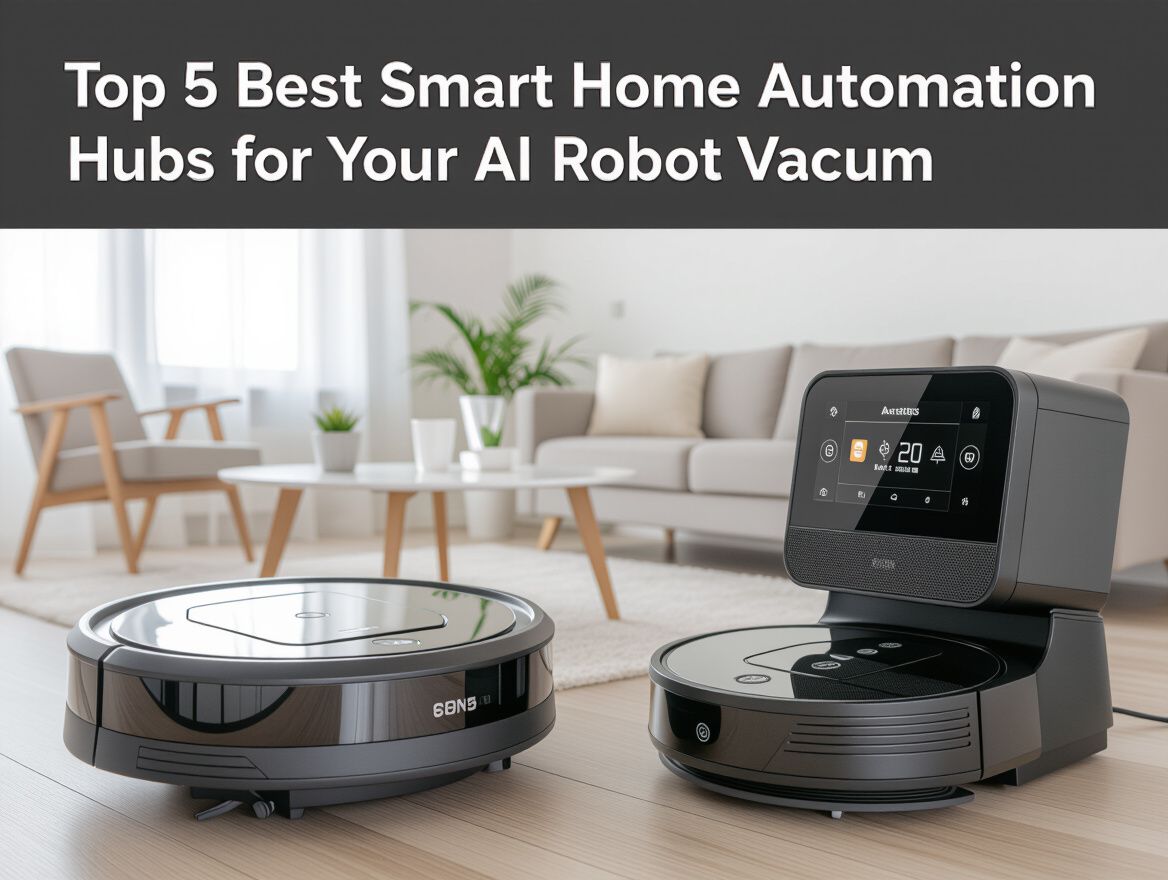
When selecting a smart home hub to integrate with your AI robot vacuum, it’s essential to evaluate several popular options based on compatibility, features, and user experience. Each hub offers unique capabilities that can enhance the functionality of your robot vacuum, but the best choice will depend on your specific needs and preferences.
Compatibility
- Device Integration: Ensure the hub supports your AI robot vacuum brand. Some hubs work seamlessly with specific brands, while others offer broader compatibility.
- Smart Home Ecosystem: Check if the hub can connect with other smart devices in your home, such as lights, thermostats, and security systems. This can enhance automation and overall user experience.
Features
- Voice Control: Many hubs support voice assistants like Amazon Alexa or Google Assistant, allowing for hands-free control of your robot vacuum.
- Automation Options: Look for features that allow you to set schedules or routines. For instance, some hubs can trigger your robot vacuum to start cleaning when you leave home.
- Remote Access: The ability to control your vacuum remotely through a mobile app can be a significant advantage, especially if you want to start or stop cleaning while you are away.
User Experience
- Setup Process: Consider how easy it is to set up the hub. A straightforward installation can save you time and frustration.
- User Interface: A user-friendly interface is crucial for managing settings and schedules effectively. Look for reviews that highlight the ease of use.
- Customer Support: Check the level of customer support available. A responsive support team can help resolve issues quickly, enhancing your overall experience.
Trade-Offs and Considerations
- Cost vs. Features: Higher-priced hubs may offer more advanced features, but assess whether these features align with your needs. It’s essential to balance cost with functionality.
- Privacy Concerns: Some users may have concerns regarding data privacy and security. Research the privacy policies of different hubs to understand how your data is handled.
- Firmware Updates: Regular firmware updates can enhance functionality and security, so consider hubs known for consistent support.
Conclusion
Choosing the right smart home hub for your AI robot vacuum involves careful consideration of compatibility, features, and user experience. By evaluating these criteria and understanding the trade-offs, you can make an informed decision that enhances your smart home ecosystem and improves the cleaning efficiency of your robot vacuum.
Understanding Trade-offs and Limitations
When selecting a smart home hub for your AI robot vacuum, it's essential to consider various trade-offs and limitations that can impact compatibility and performance. Here are some critical factors to evaluate:
-
Compatibility Limitations: Not all smart home hubs support every AI robot vacuum model. Some hubs may only work with specific brands or require additional integrations. Before purchasing, verify that the hub you choose is compatible with your vacuum model to avoid connectivity issues.
-
User Interface Issues: The user interface of a smart home hub can vary significantly between products. Some may have intuitive controls and user-friendly apps, while others might present a steeper learning curve. A complicated interface can hinder the seamless operation of your robot vacuum, making it challenging to customize settings or troubleshoot problems.
-
Functionality vs. Price Trade-offs: Higher-priced smart home hubs often come with advanced features, such as enhanced automation capabilities, multiple device support, and superior security options. However, these features may not be necessary for all users. Consider what functionality is essential for your needs and whether the additional cost provides value.
-
Integration Challenges: While many smart home hubs tout broad compatibility, some may struggle with integrating various devices. If your home setup includes multiple brands or types of devices, ensure the hub can manage these effectively without causing lag or connectivity drops.
By weighing these trade-offs, you can make a more informed decision about which smart home hub aligns best with your AI robot vacuum and overall smart home ecosystem.
Common Buyer Questions Answered
When considering which smart home hub to integrate with your AI robot vacuum, it's essential to address common buyer questions that can significantly influence your decision.
What buyer problem does comparing smart home hubs solve better than nearby alternatives?
Comparing smart home hubs allows you to evaluate their compatibility with your specific AI robot vacuum, ensuring seamless integration. This is crucial because not all hubs support the same protocols or devices, which can lead to functionality issues. By understanding the differences, you can avoid the frustration of purchasing a hub that doesn’t work with your vacuum.
Which comparison criteria should materially change the shortlist?
Key criteria to consider include:
- Compatibility: Ensure the hub supports your vacuum's operating system (e.g., Wi-Fi, Zigbee, Z-Wave).
- Performance: Look for hubs with robust processing power for quick command execution.
- User Interface: A straightforward app or voice control can enhance usability.
- Ecosystem Integration: Consider how well the hub works with other smart devices in your home.
- Firmware Updates: Regular updates can improve performance and compatibility over time.
What are the risks of choosing a less compatible hub?
Opting for a less compatible hub can lead to several risks:
- Limited Functionality: Some features of your AI robot vacuum may not work if the hub does not support them.
- Increased Setup Complexity: A hub that lacks compatibility may require additional configurations or workarounds.
- Potential for Device Conflicts: Incompatibility can result in communication issues between devices, leading to a frustrating user experience.
- Future-Proofing Concerns: A hub that does not receive regular updates may become obsolete, limiting your ability to integrate new smart devices.
By carefully evaluating these aspects, you can make a more informed decision about which smart home hub will best meet your AI robot vacuum needs.
Making Your Decision on Smart Home Hubs
As you consider integrating a smart home hub with your AI robot vacuum, it's essential to reflect on the specific needs of your home and the compatibility of your devices. Here’s a recap of key considerations to guide your decision-making process:
-
Evaluate Compatibility: Ensure that the smart home hub you choose supports your AI robot vacuum. Check for compatibility with communication protocols and device integration capabilities to avoid operational hiccups.
-
Assess Performance Features: Look for hubs that offer advanced features like automation, scheduling, and remote monitoring. These functionalities can significantly enhance the usability of your robot vacuum.
-
Consider Future-Proofing: Opt for smart home hubs known for providing regular firmware updates. This helps maintain compatibility with new features and devices, ensuring longevity in your smart home setup.
-
Identify Personal Needs: Think about your cleaning habits and household layout. Some smart hubs cater better to complex setups with multiple devices, while others may be more suited for simpler environments.
In conclusion, selecting the right smart home hub involves balancing compatibility, performance features, and your personal cleaning needs. By carefully evaluating these factors, you can make an informed decision that enhances your AI robot vacuum experience and overall home automation.