Understanding Smart Home Automation Hubs: What You Need for Your AI Robot Vacuum
Introduction to Smart Home Automation Hubs
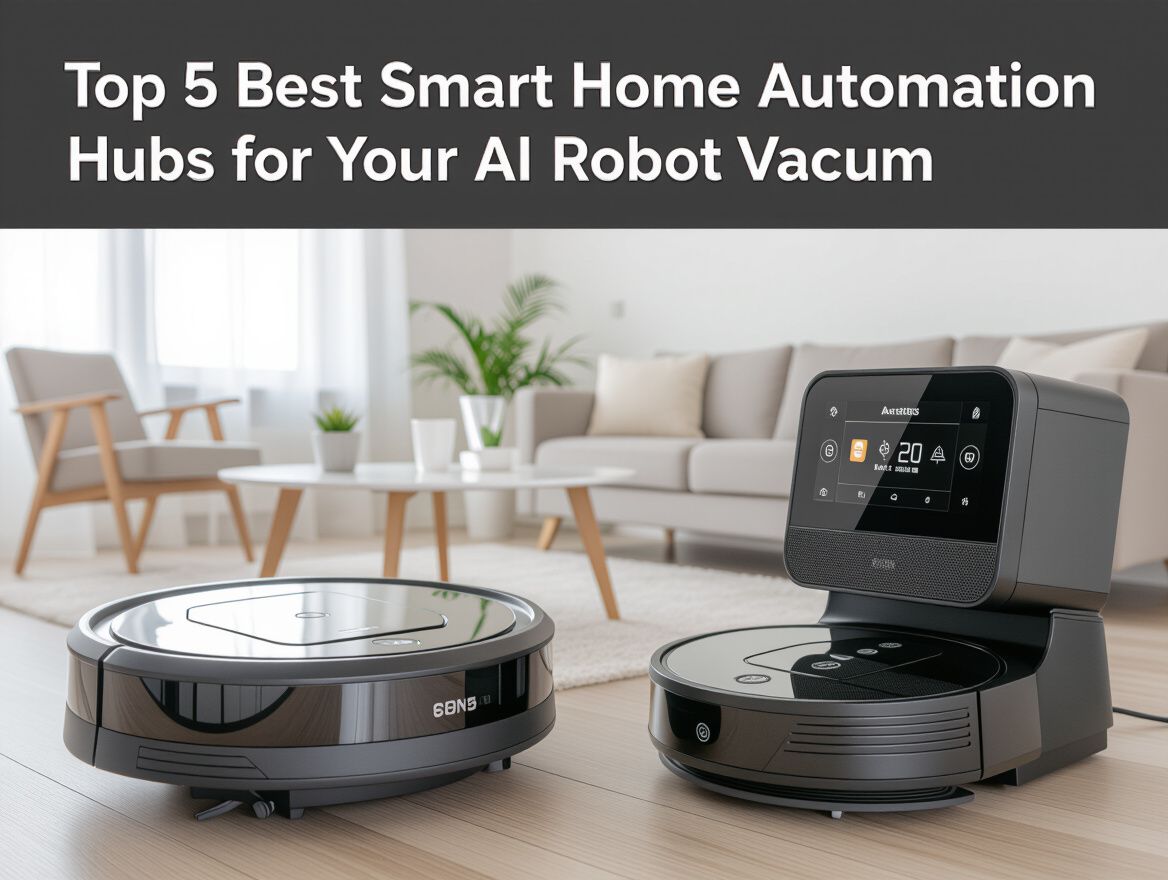
Smart home automation hubs serve as central command systems for managing various smart devices in your home, including AI robot vacuums. These hubs facilitate communication between devices that may not natively interact, creating a cohesive ecosystem that enhances functionality and user experience.
Key Functionalities
- Device Integration: Hubs allow for the integration of different brands and types of devices, enabling seamless communication and control.
- Remote Access: Users can manage their smart devices remotely through mobile apps, providing convenience and flexibility.
- Automation Routines: Hubs can automate tasks based on schedules or events, optimizing the performance of devices like AI robot vacuums for cleaning routines.
Importance in Home Automation Systems
The relevance of smart home automation hubs lies in their ability to streamline operations within a smart home environment. For AI robot vacuums, a hub can significantly enhance performance by:
- Coordinating Cleaning Schedules: Integrating with other smart devices to determine the best times for cleaning, avoiding conflicts with household activities.
- Real-time Monitoring: Providing updates and alerts about cleaning progress and any issues that may arise, ensuring efficient operation.
- Customization: Allowing users to customize settings and preferences, such as cleaning modes or specific areas to target, based on their unique needs.
By understanding the role of smart home automation hubs, potential buyers can better appreciate how these systems enhance the functionality of AI robot vacuums, making them a valuable addition to any automated home setup.
Key Criteria for Selecting a Smart Home Automation Hub
When choosing a smart home automation hub to optimize the performance of your AI robot vacuum, several essential features and specifications should be considered. This checklist will help you evaluate which hub best meets your needs.
-
Compatibility with AI Robot Vacuums: Ensure that the hub supports your specific robot vacuum model. Compatibility is crucial for seamless integration and functionality.
-
Integration Capabilities with Other Smart Devices: Look for a hub that can connect with various smart home devices (e.g., lights, thermostats, security cameras). This allows for more complex automation scenarios, enhancing the efficiency of your robot vacuum.
-
User Interface and Ease of Use: A user-friendly interface can significantly impact your experience. Choose a hub that offers intuitive controls and easy setup, allowing you to manage your devices without frustration.
-
Security Features: Security is paramount in any smart home setup. Opt for a hub that includes robust security measures, such as encryption and two-factor authentication, to protect your data and devices from unauthorized access.
-
Connectivity Options: Evaluate the connectivity options available, such as Wi-Fi, Zigbee, or Z-Wave. A hub with multiple connectivity options allows for greater flexibility in integrating various devices within your smart home ecosystem.
By considering these criteria, you can make a more informed decision about which smart home automation hub will best enhance the performance of your AI robot vacuum and overall home automation experience.
Understanding Trade-offs and Limitations
When considering the integration of smart home automation hubs with AI robot vacuums, it's essential to be aware of the potential trade-offs and limitations that may arise. While these hubs can enhance the performance and functionality of your AI robot vacuum, they also present challenges that could impact your user experience.
-
Compatibility Issues: Not all smart home automation hubs are compatible with every AI robot vacuum. Before investing in a hub, verify that it supports your specific vacuum model. Incompatible devices may lead to limited functionality or require additional workarounds.
-
Learning Curve for New Users: For those new to smart home technology, setting up and managing a hub can be daunting. Users may face a steep learning curve, as navigating through apps, settings, and integrations can be complex. Familiarizing yourself with the hub's interface and capabilities is crucial for optimal use.
-
Dependence on Internet Connectivity: Smart home automation hubs typically rely on a stable internet connection for functionality. Any disruptions in connectivity can hinder communication between devices, potentially rendering your AI robot vacuum less effective or inoperable during outages.
-
Potential Security Risks: Integrating multiple smart devices increases the number of entry points for potential cyber threats. It's vital to ensure that your hub and connected devices have robust security measures in place, such as regular software updates and secure passwords, to mitigate risks.
By understanding these trade-offs and limitations, you can make a more informed decision about whether a smart home automation hub is a suitable addition to your AI robot vacuum setup. This awareness can help you navigate potential pitfalls and enhance your overall smart home experience.
Evaluating the Fit for Your Home
When considering the integration of a smart home automation hub with your AI robot vacuum, it’s essential to evaluate whether this technology aligns with your home’s specific needs. Not every household will benefit equally from an automation hub, so understanding the unique characteristics of your living environment and lifestyle is crucial.
Types of Homes That Benefit Most
- Multi-Level Homes: If your home has multiple floors, a smart home hub can manage your AI robot vacuum’s cleaning schedule and routes more efficiently, ensuring that it covers all areas without manual intervention.
- Larger Spaces: Homes with extensive square footage can leverage automation hubs to create zones for the robot vacuum, allowing for targeted cleaning and better battery management.
- Smart-Ready Homes: If you already have other smart devices, such as lights or thermostats, an automation hub can centralize control and enhance the overall functionality of your smart ecosystem.
User Lifestyle Considerations
- Busy Households: For families or individuals with hectic schedules, a smart home hub can automate cleaning tasks, providing peace of mind that your floors will be maintained without requiring your presence.
- Tech-Savvy Users: If you enjoy technology and are comfortable with app-based management, a smart home hub will allow for more customized settings and optimizations for your AI robot vacuum.
- Pet Owners: Those with pets may find value in programming their robot vacuum to clean during specific times, such as after pets shed, ensuring a cleaner living environment.
Scalability for Future Smart Home Expansions
- Future-Proofing: Opting for a smart home hub can make it easier to expand your smart home setup in the future. Consider how well the hub can integrate with additional devices you may want to add, such as smart locks, cameras, or environmental sensors.
- Compatibility: Ensure the hub you choose supports a wide range of devices and is compatible with your existing technology. This will save you from potential headaches in the future as you expand your smart ecosystem.
In summary, assessing the fit of a smart home automation hub involves understanding your home’s layout, your lifestyle, and your future plans for smart technology. By considering these factors, you can make a more informed decision about whether a hub will enhance your AI robot vacuum's performance and overall home automation experience.
Frequently Asked Questions
When considering the integration of smart home automation hubs with AI robot vacuums, potential buyers often have several questions. Here, we address common queries to help you make informed decisions.
What problems do smart home automation hubs solve?
Smart home automation hubs serve as central control points for various smart devices, including AI robot vacuums. They help solve several key problems:
- Compatibility Issues: Many smart home devices operate on different protocols. Hubs unify these devices, allowing them to communicate seamlessly.
- Centralized Control: Instead of managing multiple apps, a hub provides a single interface for controlling all connected devices, simplifying user experience.
- Automation Capabilities: Hubs enable users to create routines and automations, such as scheduling cleaning times for your robot vacuum based on your daily routine.
How do I know if a hub is compatible with my robot vacuum?
To ensure compatibility between your smart home automation hub and AI robot vacuum, consider the following steps:
- Check Specifications: Review the product specifications for both the hub and vacuum to confirm supported protocols (e.g., Wi-Fi, Zigbee, Z-Wave).
- Manufacturer Recommendations: Visit the manufacturer's website or user manuals, which often list compatible devices.
- Community Feedback: Engage with online forums or user communities to gather insights from other users who have successfully integrated similar devices.
What are the most common features across different hubs?
While smart home automation hubs vary in functionality, several common features can enhance your experience:
- Voice Control Integration: Many hubs support voice assistants like Amazon Alexa or Google Assistant, allowing for hands-free operation.
- Automation Routines: The ability to create custom routines that trigger multiple devices simultaneously, such as starting your robot vacuum while turning on smart lights.
- Remote Access: Most hubs offer mobile apps that enable remote monitoring and control of connected devices, providing flexibility when you're away from home.
Understanding these aspects can significantly enhance the performance of your AI robot vacuum and overall smart home experience.
Conclusion: Making the Right Choice for Your Home
As you consider integrating a smart home automation hub with your AI robot vacuum, it's essential to reflect on the numerous benefits these systems provide. Smart home automation hubs enhance the functionality of your robot vacuum by enabling seamless communication between devices, allowing for more efficient cleaning schedules, and facilitating control through voice commands or mobile apps.
Key Considerations:
- Compatibility: Ensure that the smart home hub you choose is compatible with your specific robot vacuum model. Not all hubs support every device, so verifying compatibility can prevent future frustrations.
- Features: Look for features that align with your lifestyle. Some hubs may offer advanced functionalities like remote access, customizable cleaning schedules, or integration with other smart home devices, enhancing the overall automation experience.
- User Experience: Consider how user-friendly the hub is. A straightforward interface can significantly enhance your experience, making it easier to manage your devices and settings.
Final Thoughts
Integrating a smart home automation hub with your AI robot vacuum can elevate your cleaning routine, making it more efficient and tailored to your needs. However, it's crucial to assess your personal requirements, such as the size of your home, your preferred cleaning frequency, and whether you want additional smart home features.
Before making a purchase, weigh the benefits against potential trade-offs, such as the initial setup complexity or the learning curve associated with new technology. By understanding your needs and the capabilities of smart home automation hubs, you can make an informed decision that enhances your home cleaning experience.