Top 5 Best Home Smart Speakers for Seamless Automation
Understanding Smart Speakers in Home Automation
Smart speakers have become a cornerstone of modern home automation, providing an intuitive interface for controlling various smart devices throughout your home. These devices, equipped with voice recognition capabilities, allow users to manage their environment hands-free, creating a seamless living experience.
In the realm of home automation, smart speakers serve as central hubs, enabling communication between different smart devices, including AI robot vacuums. This integration enhances convenience, as users can initiate cleaning sessions, schedule tasks, or check the status of their vacuums simply by using voice commands.
Key Benefits of Smart Speakers in Home Automation:
- Voice Control: Enables hands-free operation of connected devices, making it easy to manage tasks while multitasking.
- Centralized Management: Acts as a control center for various smart home devices, simplifying the user experience.
- Compatibility: Many smart speakers are designed to work with a wide range of smart home products, including AI robot vacuums, ensuring a cohesive ecosystem.
- Automation Capabilities: Allows users to set routines and schedules, optimizing the operation of devices like robot vacuums based on their lifestyle.
Considerations for Integration:
- Device Compatibility: Ensure that the smart speaker you choose can communicate effectively with your AI robot vacuum and other smart devices.
- Voice Assistant Ecosystem: Different smart speakers utilize different voice assistants (e.g., Google Assistant, Alexa), which may impact compatibility and user experience.
- Network Reliability: A stable Wi-Fi connection is crucial for smooth operation and communication between devices.
By understanding the role of smart speakers in home automation, buyers can make informed decisions that enhance their automation experience, particularly when integrating with AI robot vacuums.
Key Features to Consider When Choosing a Smart Speaker
Selecting the right smart speaker is crucial for enhancing your home automation experience, especially when integrating devices like AI robot vacuums. Here are essential features to evaluate:
-
Voice Assistant Compatibility: Ensure the smart speaker is compatible with your preferred voice assistant (e.g., Google Assistant, Alexa). This compatibility affects how well it can control other smart devices, including your robot vacuum.
-
Audio Quality: While functionality is vital, audio quality should not be overlooked. Consider speakers that offer clear sound and sufficient bass if you plan to use them for music and entertainment alongside home automation.
-
Smart Home Integration: Look for speakers that seamlessly integrate with a variety of smart home devices. Check for compatibility with popular brands and protocols (e.g., Zigbee, Z-Wave) to ensure your speaker can communicate with your robot vacuum and other smart devices.
-
Design and Aesthetics: Aesthetics matter in home decor. Choose a smart speaker that fits your home’s style and can be placed conveniently without clashing with your interior design.
By focusing on these criteria, you can select a smart speaker that not only meets your audio needs but also enhances your home automation setup, ensuring compatibility with devices like AI robot vacuums.
Comparing the Top Smart Speakers for Home Automation
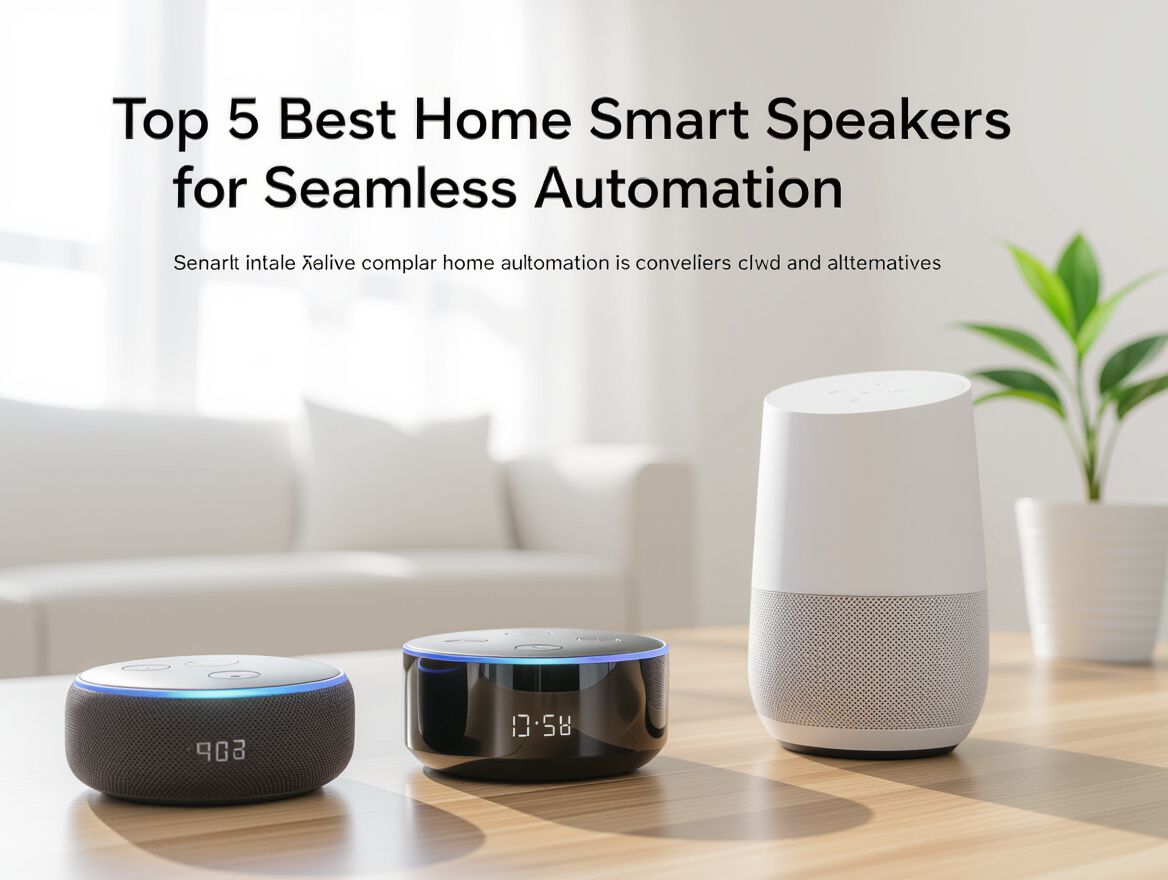
When selecting the best home smart speakers, particularly for seamless integration with AI robot vacuums, it’s crucial to evaluate their features and compatibility. Below is a comparison of five leading smart speakers, highlighting their key attributes and how well they work within a home automation ecosystem.
Speaker 1: Amazon Echo (4th Gen)
- Key Features: Offers high-quality sound, a built-in Zigbee hub for connecting smart devices, and supports voice commands via Alexa.
- Compatibility: Works well with a variety of smart home devices, including many robot vacuums, making it a versatile option for automation.
Speaker 2: Google Nest Audio
- Key Features: Delivers clear sound and integrates seamlessly with Google Assistant. It allows for multi-room audio and can control various smart devices.
- Compatibility: Highly compatible with smart devices that support Google Home, including several AI robot vacuums, ensuring a cohesive automation experience.
Speaker 3: Apple HomePod mini
- Key Features: Focuses on superior sound quality and integrates with Apple’s ecosystem through Siri. It also functions as a home hub for HomeKit-enabled devices.
- Compatibility: Ideal for users within the Apple ecosystem, but may have limited compatibility with non-HomeKit robot vacuums, which could restrict its use in diverse smart home setups.
Speaker 4: Sonos One
- Key Features: Combines excellent audio performance with built-in voice control via Alexa and Google Assistant. It supports multi-room audio and has a sleek design.
- Compatibility: Works with various smart home systems, including those that integrate with robot vacuums, but may require additional setup for some devices.
Speaker 5: JBL Link Portable
- Key Features: Offers portability with a rechargeable battery, voice control via Google Assistant, and decent sound quality for its size.
- Compatibility: While it integrates with Google Home, its compatibility with specific smart devices, including certain robot vacuums, may vary, so checking compatibility is advisable.
Key Considerations
- Ecosystem Fit: Consider which ecosystem (Amazon, Google, Apple) you are already invested in, as this will affect compatibility and ease of use.
- Audio Quality vs. Smart Features: Balance your need for sound quality with the smart features you require. Some speakers excel in audio performance at the cost of limited smart home capabilities.
- Device Compatibility: Verify that the smart speaker you choose is compatible with your existing smart devices, including AI robot vacuums, to ensure smooth integration and functionality.
By carefully comparing these smart speakers, you can make an informed decision that enhances your home automation experience while ensuring that your AI robot vacuum operates seamlessly within your smart home setup.
Understanding Trade-offs and Limitations
When selecting the best home smart speakers, particularly for integration with AI robot vacuums, it's crucial to consider potential downsides and trade-offs that could impact your home automation experience.
Compatibility Limitations
- Device Ecosystem: Not all smart speakers seamlessly integrate with every AI robot vacuum. Some models may work better with specific brands or ecosystems (e.g., Google Home vs. Amazon Alexa). Verify compatibility to avoid frustration.
- Firmware Updates: Compatibility can change with firmware updates. Ensure that the smart speaker and vacuum you choose are regularly updated for optimal performance.
Privacy Concerns
- Data Collection: Smart speakers often collect user data to enhance functionality. Understand the privacy policies and data handling practices of the manufacturer to assess whether you're comfortable with the level of data collection.
- Voice Activation Risks: Always-on microphones can potentially be triggered unintentionally, leading to privacy breaches. Consider models with physical mute buttons for added security.
Audio Performance vs. Price
- Sound Quality: Higher-priced models typically offer better audio performance. However, if your primary use is controlling your robot vacuum, investing in high-end audio capabilities may not be necessary.
- Budget Constraints: Balancing price with features is essential. More affordable options may lack some advanced functionalities but can still effectively control your smart home devices.
By weighing these trade-offs, you can make a more informed decision that aligns with your home automation goals and personal preferences.
Frequently Asked Questions About Smart Speakers
Smart speakers have revolutionized home automation, but potential buyers often have key questions before making a decision. Here are some common inquiries that can guide your understanding and selection process.
What buyer problem do smart speakers solve?
Smart speakers primarily address the need for convenient control over various smart home devices. They enable users to:
- Streamline Control: Centralize commands for lights, thermostats, and security systems through voice activation.
- Enhance Accessibility: Offer hands-free operation, making it easier for individuals with mobility issues to interact with their home technology.
- Integrate Systems: Facilitate compatibility with multiple devices, allowing for seamless automation and coordination, particularly with AI robot vacuums and other smart appliances.
Which smart speakers work best with Google Home?
When looking for compatibility with Google Home, consider smart speakers that explicitly support Google Assistant. Features to look for include:
- Voice Recognition: Accurate and responsive voice control for executing commands.
- Device Compatibility: Support for various smart home products, including lights, thermostats, and security cameras.
- Routine Automation: The ability to create and manage routines that can trigger multiple devices with a single command.
What are the most common features of smart speakers?
Smart speakers come equipped with a range of features that enhance their functionality, such as:
- Voice Assistant Integration: Most smart speakers include AI assistants like Google Assistant or Amazon Alexa for voice commands.
- Multi-Room Audio: Some models allow for synchronized audio playback across several rooms, enhancing entertainment options.
- Smart Home Control: Direct control of compatible devices, enabling users to manage their smart home ecosystem easily.
By understanding these aspects, buyers can make informed decisions about which smart speaker will best enhance their home automation experience.
Final Thoughts on Choosing the Best Smart Speaker
When selecting the best home smart speakers for your automation needs, several key features should guide your decision-making process:
- Compatibility: Ensure the smart speaker integrates seamlessly with your existing AI robot vacuum. Compatibility with platforms like Google Home can enhance your automation experience.
- Voice Recognition and Control: Look for speakers with advanced voice recognition capabilities, allowing for effortless control of your smart devices.
- Audio Quality: Consider sound quality if you also plan to use the speaker for music and entertainment, as this can impact overall satisfaction.
The importance of compatibility with AI robot vacuums cannot be overstated. A smart speaker that works well with your vacuum can streamline your cleaning routines, enabling you to command your devices with simple voice prompts. This integration can significantly enhance your home automation experience, making daily tasks easier and more efficient.
Before making a purchase, assess your personal needs and preferences. Reflect on how you plan to use your smart speaker—whether for home automation, music, or both—and choose a model that aligns with those requirements. Taking the time to evaluate these factors will help you make a more informed decision, ensuring your new smart speaker effectively complements your home automation ecosystem.
More in Smart Home Speakers
View All