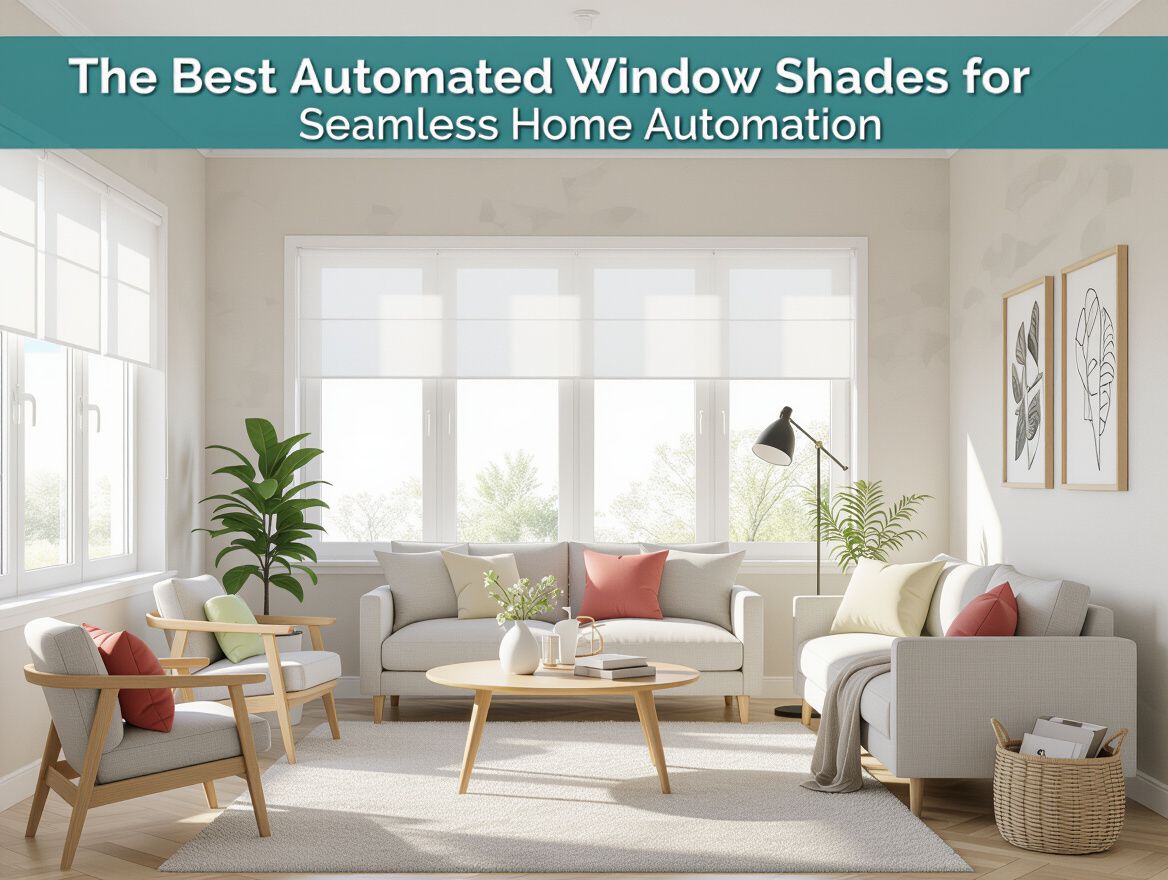
The Best Automated Window Shades for Seamless Home Automation
Understanding Automated Window Shades
Automated window shades are innovative window treatments that allow homeowners to control light and privacy with the touch of a button or through smart home systems. These shades can be programmed to open or close at specific times, enhancing convenience and energy efficiency in your home.
In the realm of home automation, automated window shades play a crucial role by integrating seamlessly with other smart devices. They can be controlled via smartphone apps, voice commands, or through centralized smart home hubs, offering a cohesive experience that elevates modern living.
The technology behind automated window shades often includes motors that can be powered by batteries or hardwired to the home’s electrical system. Many models also feature sensors that react to sunlight, adjusting the shades automatically to optimize indoor lighting and temperature.
Benefits of Automated Window Shades:
- Convenience: Easily control your shades from anywhere using a smartphone or voice commands.
- Energy Efficiency: Automate shades to reduce heating and cooling costs by managing sunlight exposure.
- Enhanced Privacy and Security: Schedule shades to close when you’re away, creating an illusion of occupancy.
- Customizable Options: Choose from various materials, colors, and styles to match your home décor.
Understanding these aspects will help you weigh the benefits of automated window shades against your specific needs and preferences, ultimately guiding you toward a more informed purchasing decision.
Key Features to Consider
When exploring the best automated window shades for your home automation setup, several essential features can significantly enhance usability and convenience. Understanding these features will help you make a more informed decision.
-
Smart Home Integration: Ensure the shades are compatible with your existing smart home ecosystem. Look for shades that support popular platforms like Google Assistant, Amazon Alexa, or Apple HomeKit. This compatibility allows for seamless control and automation alongside other smart devices in your home.
-
Control Options: Automated window shades should offer multiple control methods. Consider options such as mobile apps, remote controls, and voice commands. Having a variety of control methods enhances accessibility and convenience, allowing you to operate the shades from anywhere in your home.
-
Energy Efficiency: Automated window shades can contribute to energy savings by reducing the need for heating and cooling. Look for shades that provide insulation benefits and can be programmed to open and close based on the time of day or temperature, optimizing your home's energy use.
-
Design and Aesthetic Considerations: The appearance of your window shades matters, especially in a stylish home. Choose shades that offer a range of colors, materials, and styles to match your interior décor. Customization options can help ensure that your automated window shades enhance rather than detract from your living space.
By evaluating these features, you can better identify the automated window shades that will fit your home automation needs and lifestyle.
Trade-offs and Considerations
When evaluating the best automated window shades for your home, it's essential to weigh the various trade-offs and considerations that come with these systems. While they offer convenience and enhanced home automation, there are potential downsides that can affect your decision.
Cost vs. Functionality
- Initial Investment: Automated window shades tend to have a higher upfront cost compared to traditional shades. Features like smart integration and remote control capabilities can significantly increase the price.
- Long-term Savings: Consider the potential energy savings from better control over natural light and insulation. While the initial cost is higher, reduced energy bills may offset this over time.
Installation Complexity
- Professional Installation: Many automated window shades require professional installation, especially if they are integrated with existing smart home systems. This can add to the overall expense and time needed for setup.
- DIY Options: Some brands offer easier installation options that allow for DIY setup. However, these may have limitations in terms of features or compatibility with smart home systems.
Maintenance and Durability Concerns
- Wear and Tear: Automated mechanisms can be prone to wear over time, especially in high-use areas. Regular maintenance may be required to ensure long-term functionality.
- Technology Updates: As technology evolves, older models may become obsolete or incompatible with newer smart home systems. This could necessitate future upgrades or replacements.
By understanding these trade-offs, you can make a more informed decision about the best automated window shades that fit your home automation needs while weighing the associated risks and benefits.
Who Should Consider Automated Window Shades?
Automated window shades cater to a diverse range of users, each with unique needs and preferences. Understanding your specific situation can help determine if these smart solutions are a good fit for your home.
Homeowners vs. Renters
- Homeowners can benefit from permanent installations, allowing for seamless integration with existing smart home systems. They may prioritize aesthetics and energy efficiency.
- Renters might prefer temporary or easy-to-install options that don’t require significant modifications to their living spaces. Portable systems or battery-operated shades can be ideal.
Tech-Savvy Individuals vs. Traditional Users
- Tech-savvy users are likely to appreciate advanced features such as app control, voice commands, and compatibility with other smart devices. They may look for shades that offer extensive customization.
- Traditional users may seek straightforward functionality without overwhelming technology. Simple remote-operated shades or basic timers can meet their needs effectively.
Specific Use Cases
- Energy Savings: Automated shades can help regulate indoor temperatures by blocking heat during summer and retaining warmth in winter, making them a great choice for energy-conscious users.
- Privacy: If privacy is a concern, especially in urban settings, automated shades can be programmed to close at specific times, providing peace of mind without manual adjustments.
- Convenience: For those with mobility issues or busy lifestyles, automated shades can enhance comfort by allowing users to control light and privacy with the touch of a button or voice command.
Considerations Before Purchase
- Installation Requirements: Assess whether you need professional installation or if DIY options are viable.
- Integration with Existing Systems: Ensure compatibility with your current smart home ecosystem if you already have devices like smart speakers or hubs.
- Budget: Automated shades can vary widely in price, so it’s essential to balance features with your budget.
Understanding these factors can empower buyers to make informed decisions about automated window shades, aligning their specific needs with the right solutions.
Risks and Caveats
When considering the best automated window shades for your home automation needs, it's essential to be aware of the potential risks and caveats involved in their purchase and installation. Understanding these factors can help you make an informed decision.
-
Technical Issues: Automated window shades rely on electronic components and smart technology, which can sometimes lead to malfunctions. Common problems may include connectivity issues with your smart home system or failures in the motorized mechanism, potentially requiring repairs or replacements.
-
Dependence on Smart Home Systems: Many automated window shades are designed to integrate seamlessly with existing smart home systems. However, this dependence means that if your smart home hub experiences issues or if the shades are not compatible with your selected system, functionality may be compromised.
-
Limited Compatibility with Certain Window Types: Not all automated window shades will fit every window configuration. For instance, specialty windows such as arched or oversized windows may require custom solutions, which can increase costs and complicate installation. Before purchasing, ensure that the shades are compatible with your specific window types.
By weighing these risks against the benefits of convenience, energy efficiency, and enhanced lifestyle that automated window shades offer, you can better assess whether they are the right fit for your home automation goals.
Frequently Asked Questions
When considering the best automated window shades, potential buyers often have specific questions that can help clarify their decision-making process. Here are some common queries along with insightful answers.
What problems do automated window shades solve?
Automated window shades address several issues related to convenience and energy efficiency:
- Convenience: They eliminate the hassle of manually adjusting shades, especially in hard-to-reach windows. This feature is particularly beneficial for large homes or windows that are high up.
- Energy Efficiency: By controlling the amount of sunlight entering your home, automated shades can help maintain a comfortable indoor temperature, reducing reliance on heating and cooling systems.
- Privacy and Security: Automated shades can be programmed to open or close at specific times, enhancing privacy and giving the appearance that someone is home, which can deter potential intruders.
How do I choose the right product for my home?
Selecting the best automated window shades involves considering several key factors:
- Compatibility: Ensure the shades work with your existing smart home systems. Look for compatibility with platforms like Google Assistant or Amazon Alexa.
- Control Methods: Assess how you prefer to control your shades. Options range from mobile apps to remote controls and voice commands.
- Style and Design: Choose shades that complement your home’s interior. Consider fabric, color, and design options to ensure they fit aesthetically.
Are automated window shades worth the investment?
The value of automated window shades largely depends on your specific needs:
- Long-Term Savings: While the initial investment may be higher than traditional shades, the potential energy savings can offset costs over time.
- Enhanced Lifestyle: For those who prioritize convenience and smart home integration, automated shades can significantly enhance daily living.
- Customization: Many automated shades offer customizable settings, allowing you to tailor their operation to your lifestyle, which can justify the investment for many homeowners.
By addressing these common concerns, potential buyers can better navigate their options and make informed decisions about integrating automated window shades into their home automation systems.
Making the Right Decision
In the realm of home automation, selecting the best automated window shades involves careful consideration of several key factors. These shades offer numerous benefits, such as enhanced convenience and energy efficiency, but potential buyers should also be mindful of their specific needs and circumstances.
Recap of Benefits
- Convenience: Automated shades provide effortless control over natural light, allowing for easy adjustments via apps or voice commands.
- Energy Efficiency: By optimizing light and temperature control, these shades can lead to significant energy savings over time.
- Aesthetic Appeal: With various styles and materials available, automated shades can enhance the overall look of your home.
Important Considerations
- Cost: Weigh the initial investment against long-term savings on energy bills. Automated shades can be pricier than traditional options, but their features may justify the cost.
- Compatibility: Ensure that the shades integrate well with your existing smart home devices to maximize functionality.
- Installation and Maintenance: Consider the complexity of installation and ongoing maintenance needs, as these can vary between products.
Before making a purchase, assess your personal preferences, the layout of your home, and how you envision using these shades. By aligning your needs with the features available, you can make an informed decision that enhances your home automation experience.
More in Automated Window Shades
View All